





Our Partners

Partner logo
Partner logo
Partner logo
Partner logo
Partner logo

REACHA's journey across Kashmir has been shaped by long-standing collaborations with ONGC, Genpact, IIFL, IHCL, TRRAIN, and TYSIA. Each partnership has brought different strengths from supporting training infrastructure and vocational programmes to strengthening livelihoods, employment opportunities, and community-led development.

Over the years, these collaborations have enabled REACHA to expand skill development across Baramulla, Kupwara, Uri, and other communities, while connecting young people and families with practical opportunities for growth. Programmes spanning hospitality, retail, fashion, livelihood enhancement, entrepreneurship, and professional skills have helped participants move from learning toward employment and financial independence.

Together, our partners have helped us build programmes rooted in local needs and sustained engagement. Their continued support has enabled REACHA to reach thousands of people while creating pathways toward stronger livelihoods, greater confidence, and more resilient communities across Kashmir.

Partner Journeys With REACHA

Every region runs on a different coalition, so every region has its own timeline. Pick a district to see only the partners who worked there, or stay on the whole region, then use the years on the left to move through the partnerships in the order they began.

Filter by district

Indian Army

2016 →

The Door That Opens First

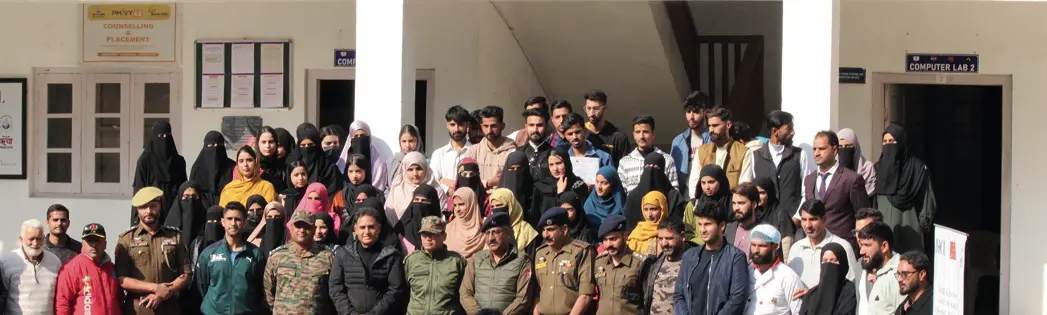
Kashmir began in 2016 under Operation Sadbhavna: 72 centres across Jammu & Kashmir, six of them with REACHA, including the Chinar Naujawan Club, later the Chinar Yuva Club.

The Army supported the infrastructure in Baramulla. In Uri, Pir Panjal provides oversight and security support.

The Door That Opens First
What The Army Carried
  • Operation Sadbhavna, from 2016: 72 centres, 6 with REACHA
  • Chinar Naujawan Club, later the Chinar Yuva Club
  • Infrastructure support in Baramulla
  • Pir Panjal: oversight and security support in Uri
  • Community access and institutional standing